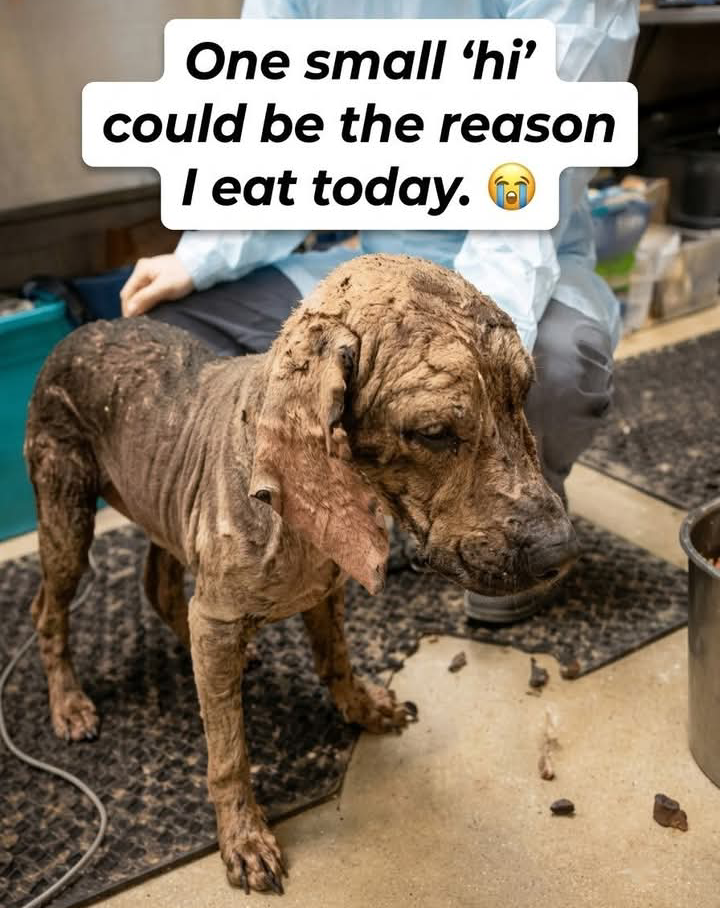
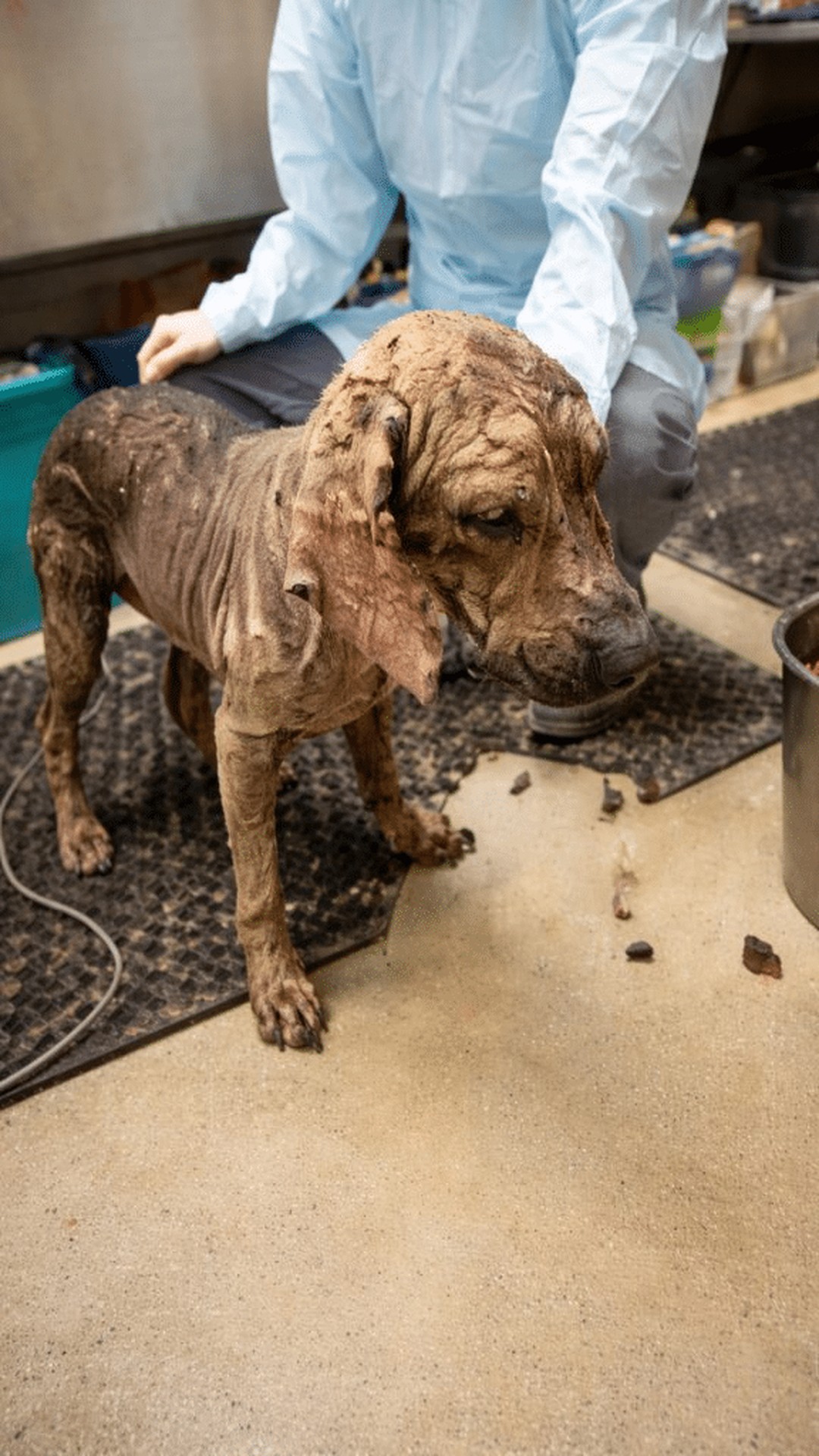
 In the mountain town of Manali, a small dog was found lying beside a narrow roadside path, unnoticed by passersby. His frail body told a story of hardship and neglect, with large patches of missing fur exposing irritated skin. The dog, though severely weakened, remained silent amidst the bustling activity around him.
Challenging Conditions in the Mountains
Surviving in harsh mountain climates poses significant challenges for animals. For this dog, the cold temperatures and lack of food had turned an already difficult situation into a dire one. A severe skin condition had spread across much of his body, causing inflamed skin and discomfort. An untreated wound on his head was worsening, and his overall weakness made even basic movements a struggle.
The Start of Rescue Efforts
When local rescuers became aware of the dog’s plight, they acted promptly. Their first goal was to provide warmth to stabilize his condition, as animals suffering from malnutrition are particularly vulnerable to the cold. Upon approaching him, they noticed his calm demeanor—he showed no signs of panic or the desire to flee, suggesting he understood help had finally arrived.
Immediate Veterinary Care
Wrapped in warm blankets, the dog was transported to a veterinary clinic. The examination revealed the extent of his ailments: severe skin disease, malnutrition, and fatigue. The road to recovery was clear but would require time, treatment, and patience. The veterinary team crafted a comprehensive treatment plan focusing on alleviating his skin infection and improving his nutrition.
Gradual Healing Process
Recovery is often a series of small steps rather than a swift transformation. Medicated baths were introduced to soothe the inflamed skin and treat the underlying infection. Each bath was followed by careful drying, protective ointments, and consistent medical attention. Nutritious meals were gradually added to his diet to help him regain strength.
Signs of Improvement
At first, changes were subtle. The wounds remained visible, and his movements were slow, but healing was underway. Over the course of days and weeks, patches of fur began to regrow, the wound on his head started to close, and his appetite improved. With each small advancement, caregivers celebrated his journey back to health.
Emotional Recovery
Perhaps even more significant than his physical healing was the revival of his spirit. As he regained strength, the dullness in his eyes began to fade, replaced by curiosity and engagement with his surroundings. He responded positively to familiar voices and became more involved in daily activities, marking a profound shift from mere survival to an active participation in life.
A New Chapter Ahead
As rehabilitation progressed, his transformation became increasingly apparent. His coat thickened, movements strengthened, and his overall demeanor shifted towards confidence. Daily life, once defined by pain and discomfort, now included simple pleasures—a meal, a nap, a gentle walk.
Conclusion
The journey of the mountain dog found in Manali serves as a testament to the power of compassion and consistent care. From severe neglect to gradual recovery, his story highlights the extraordinary impact of dedicated rescuers and veterinary professionals. It is a reminder that even the most challenging circumstances can lead to healing, and that every act of kindness contributes to restoring a life.