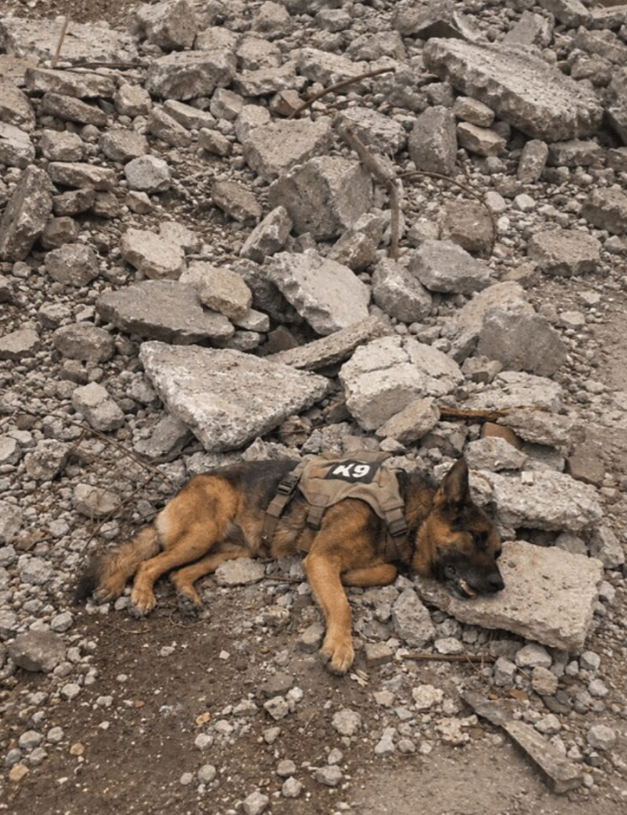
In a recent demonstration, military dogs were fitted with sophisticated vests that include audio and video monitoring capabilities. This technology allows handlers to receive live updates from environments that may be hazardous or difficult to approach directly.
For many observers, the demonstration showcased an almost futuristic approach to military operations. However, the underlying goal is clear: to bolster safety and improve communication between soldiers and their canine counterparts.
A New Era for Military Working Dogs
Military working dogs have a long-standing history of serving alongside soldiers, proving invaluable in a variety of missions. Their heightened senses, intelligence, and ability to navigate complex environments make them essential for tasks such as locating explosives, conducting patrols, and assisting tactical teams.
Operative environments can be unpredictable and risky, which makes reliable information crucial. The newly developed surveillance-equipped vests are designed specifically to mitigate these risks, allowing for a safer operating environment for both the dogs and their handlers.
How the Technology Works
The vests resemble traditional tactical gear but include advanced features that enhance the dogs’ operational capabilities. A compact surveillance system mounted on the armor enables the transmission of live video and audio back to the handlers. This setup allows teams to assess conditions remotely, facilitating informed decision-making without placing personnel in immediate danger.
As the dogs patrol an area, cameras capture their surroundings, while audio devices pick up critical sounds. The real-time feed allows commanders to gain insight before deploying additional resources, making information an invaluable asset in military operations.
Designed for Mobility and Performance
One of the standout features of these vests is their emphasis on maintaining the dogs’ natural mobility. Military dogs rely on their speed and agility, and any gear that hinders these abilities can compromise their effectiveness. Engineers have focused on ensuring the vests allow for fluid movement, enabling dogs to run, turn, and navigate obstacles without restriction.
VIDEO: Watch Military Dogs in Action with Advanced Surveillance Technology
This design consideration is crucial, as military operations often require swift responses in dynamic environments. The combination of protection and functionality supports the dogs’ work and enhances their operational performance.
The Unique Value of Military Dogs
Technological advancements have led to the emergence of alternative tools, such as drones and robots, which are capable of performing some functions of military working dogs. However, these animals possess irreplaceable qualities—extraordinary senses, keen instincts, and the ability to adapt swiftly to changing circumstances. Their partnership with handlers is built on trust and consistent training, making them indispensable in the field.
The demonstration highlighted this critical bond, showcasing how soldiers carefully adjusted the vests and reassured their canine partners before deployment. This interaction underscored that military working dogs are not just tools but integral teammates whose success relies on mutual trust.
Potential Applications Beyond Military Operations
The promising nature of this innovation opens doors for potential applications beyond military use. Search-and-rescue teams might utilize similar technology to locate missing persons in challenging environments. Disaster response teams could deploy these equipped dogs into unstable structures while monitoring conditions remotely, enhancing safety and efficiency.
Moreover, law enforcement agencies could benefit from real-time situational awareness during specialized operations, and humanitarian missions may also leverage improved canine monitoring systems. As technology advances, the possibilities for utilizing these innovations across various sectors continue to expand.
A Glimpse Into the Future
The development of wearable surveillance and protection systems for military working dogs presents a glimpse into a future where human-animal collaboration is enhanced by technology. Rather than replacing the innate capabilities of trained dogs, these systems amplify their strengths, allowing organizations to gather valuable intelligence while improving operational safety.
With ongoing advancements, future iterations of this technology may be even lighter and more versatile, but the core of every mission will remain the unique partnership between handlers and their dogs—built on trust, strengthened through training, and capable of achieving remarkable feats together.